
Stroke Awareness Month – Symptoms, Risk Factors, and Prevention
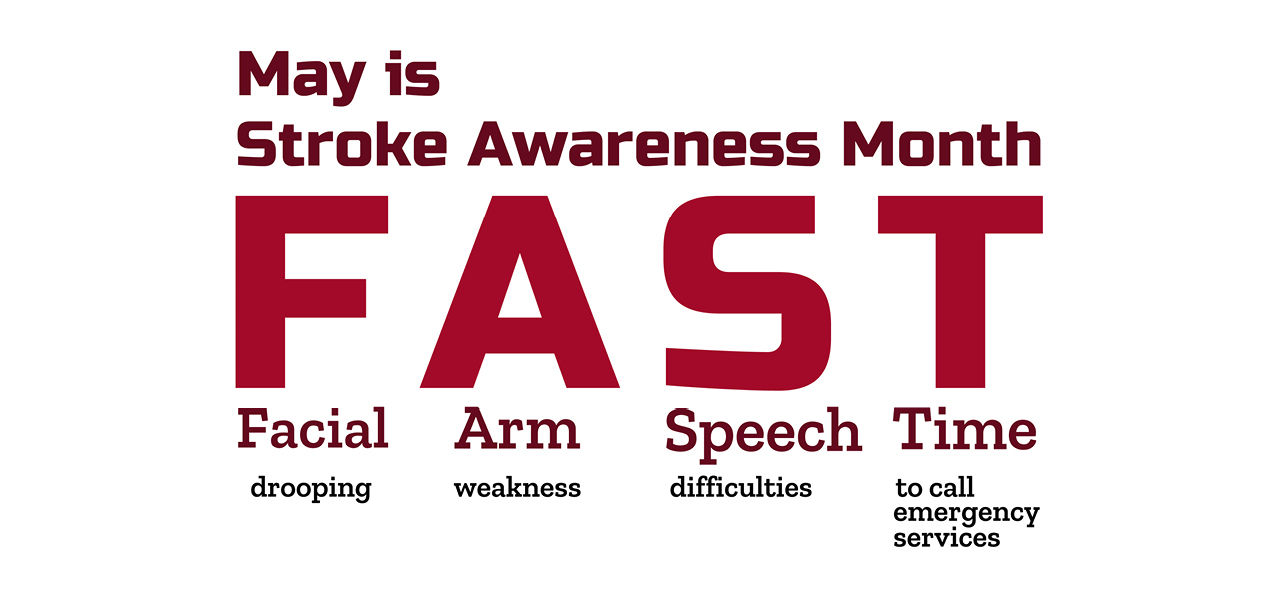
May is National Stroke Awareness Month, a time dedicated to educating communities about the serious impact of stroke and the steps we can take to prevent it. Stroke remains one of the leading causes of death and disability in the United States, and quick action is often the difference between a full recovery and lifelong impairment.
Strokes Can Affect Anyone at Any Age
In the U.S., someone has a stroke every 40 seconds, and it remains a major cause of long‑term disability. When a stroke isn’t fatal, it can leave lasting effects such as difficulty speaking, memory problems, or partial paralysis.
At Logan Regional Medical Center, we see firsthand how devastating strokes can be, and how dramatically outcomes improve when patients receive treatment quickly. “Time is brain” is a stroke-related saying that refers to the fact that every minute without proper blood flow results in nearly two million brain cells lost. The best defense against stroke is prevention and quick recognition.
Prevention: Your First and Strongest Defense
Up to 80% of strokes are preventable through healthy lifestyle choices and proper management of medical conditions. Taking these steps now can significantly reduce your risk, according to the Centers for Disease Control and Prevention (CDC):
- Exercise regularly and aim for at least 150 minutes of moderate activity each week.
- Eat a heart‑healthy diet low in salt, saturated fats, and cholesterol.
- Maintain healthy blood pressure, ideally around 120/80.
- Quit smoking and limit alcohol consumption.
- Manage chronic conditions such as diabetes, high cholesterol, and atrial fibrillation.
- See your primary care provider annually for screenings and preventive care.
These habits not only reduce stroke risk but also support overall cardiovascular health.
Recognition: Know the Signs, BE FAST
Recognizing a stroke quickly can save a life. The BE FAST acronym is a simple, powerful tool promoted nationwide to help people identify stroke symptoms and take immediate action.
- B – Balance Struggles: Is proper balance difficult to maintain?
- E – Eyesight: Is vision double or blurred, or not working in one eye?
- F – Face Drooping: Does one side of the face droop when smiling?
- A – Arm Weakness: Is one arm weak or drifting downward?
- S – Speech Difficulty: Is speech slurred or hard to understand?
- T – Time to Call 911: If you see ANY of these signs, call 911 immediately.
With a stroke, never drive someone to the hospital yourself. EMS providers can begin lifesaving care while transporting a patient to the hospital.
Why Every Minute Matters for Treating Stroke
Stroke treatments, such as clot‑busting medications or mechanical clot removal, are only effective within a limited time window. Acting FAST can mean the difference between walking out of the hospital or facing permanent disability.
Be Part of the Solution This May
This Stroke Awareness Month, commit to protecting your health and the health of those around you:
- Live a heart‑healthy lifestyle.
- Learn and share the BE FAST warning signs.
- Talk with your doctor about your stroke risk.
- Encourage loved ones to get regular checkups.
For a fast, free way to determine your personal level of risk for having a stroke, visit our website and take our online stroke risk assessment.
Together, we can reduce the impact of stroke and build a healthier community. But we need to do it today, with a greater sense of urgency – in the time you spent reading this article, another five people across this country suffered a stroke.